




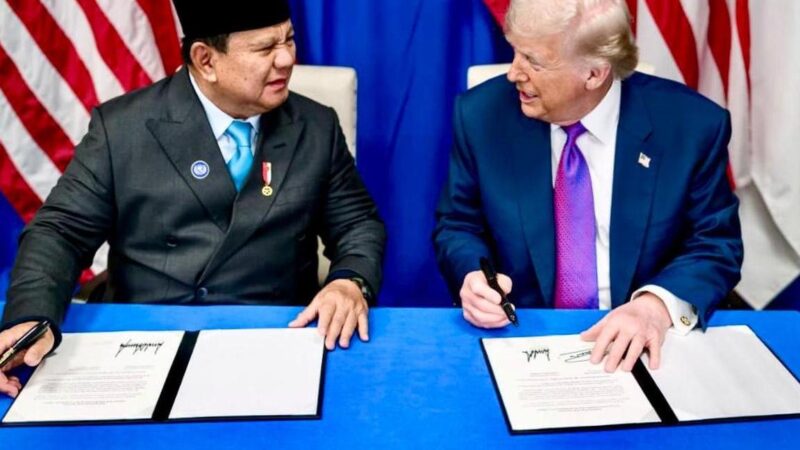
JAKARTA — The Indonesian government has assured the public that the data transfer agreement between Indonesia and the United States will not harm citizens’ rights. Officials said all cross-border data transfers will comply with Indonesian laws, including the Personal Data Protection (PDP) Law.
Government representatives explained that the cooperation is part of a broader trade agreement between the two countries. However, all data activities will remain under Indonesia’s legal authority.
Authorities emphasized that data management will follow secure and transparent digital governance standards to protect public privacy.
Boosting the Digital Economy
The government believes the agreement will help strengthen Indonesia’s digital economy. Cross-border data flows are considered important for supporting e-commerce growth, digital services, and investment in data centers.
Officials also said the cooperation could increase global investor confidence in Indonesia’s technology sector while maintaining national data sovereignty.
The Indonesia–US trade partnership is expected to reduce digital trade barriers and encourage more technology and infrastructure investment.
Government Clarifies: No Transfer of Personal Data
Responding to public concerns, the government clarified that the agreement does not involve transferring citizens’ personal data abroad. Instead, it mainly covers processed commercial data used for business activities.
Personal data and strategic national information will remain protected under Indonesian regulations and cannot be transferred freely to foreign parties.
Debate and Public Concerns
Despite these assurances, the policy has sparked debate among observers and the public. Some analysts warn that cross-border data transfers could create risks to digital sovereignty if supervision is not carried out strictly.
Under Indonesia’s Personal Data Protection Law, data transfers to other countries are only allowed if those countries provide equal or stronger legal protection standards.